2026 Southern California Commercial Real Estate Outlook
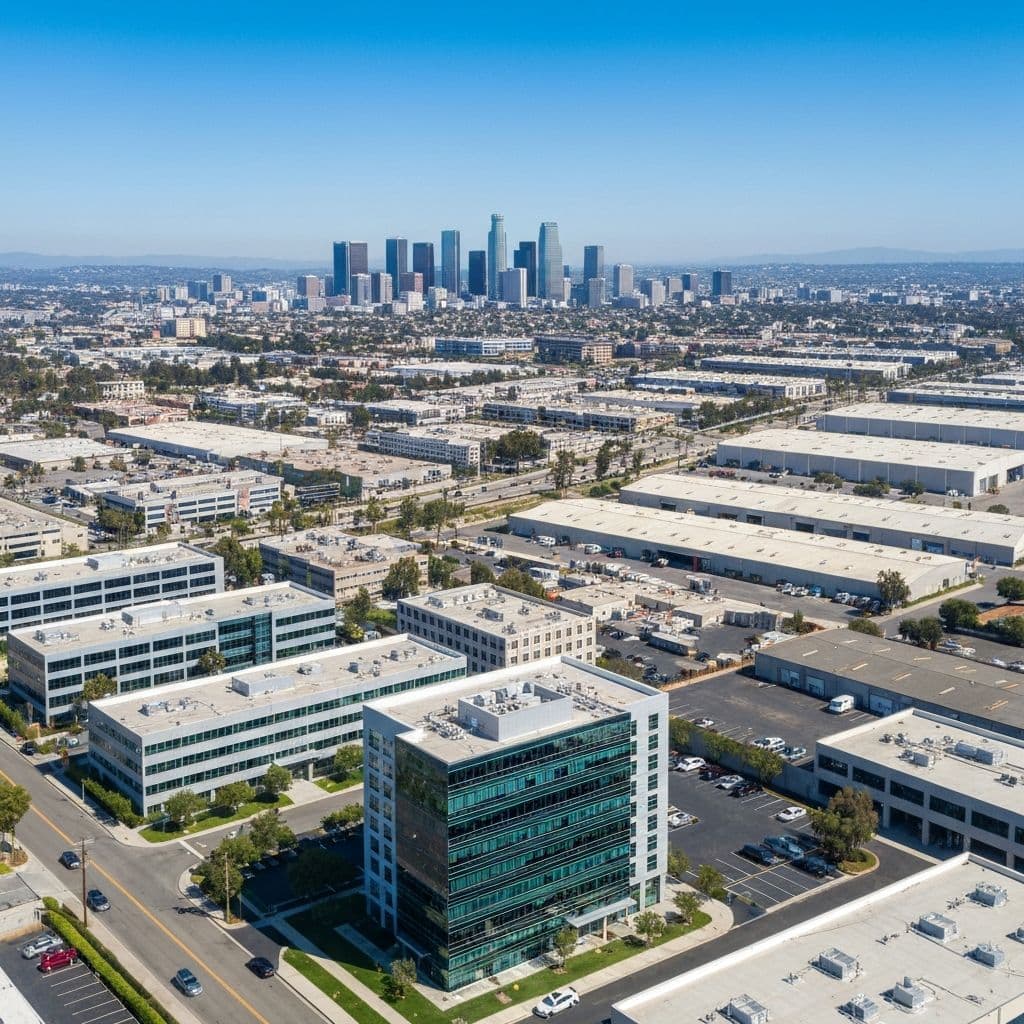
Southern California's commercial real estate market enters 2026 in a period of recalibration rather than retreat. After several years of rate-driven repricing, transaction volume across the region — from the Inland Empire's logistics corridor to West LA's creative office and retail core — is stabilizing as buyers and sellers converge on a shared understanding of where value sits today.
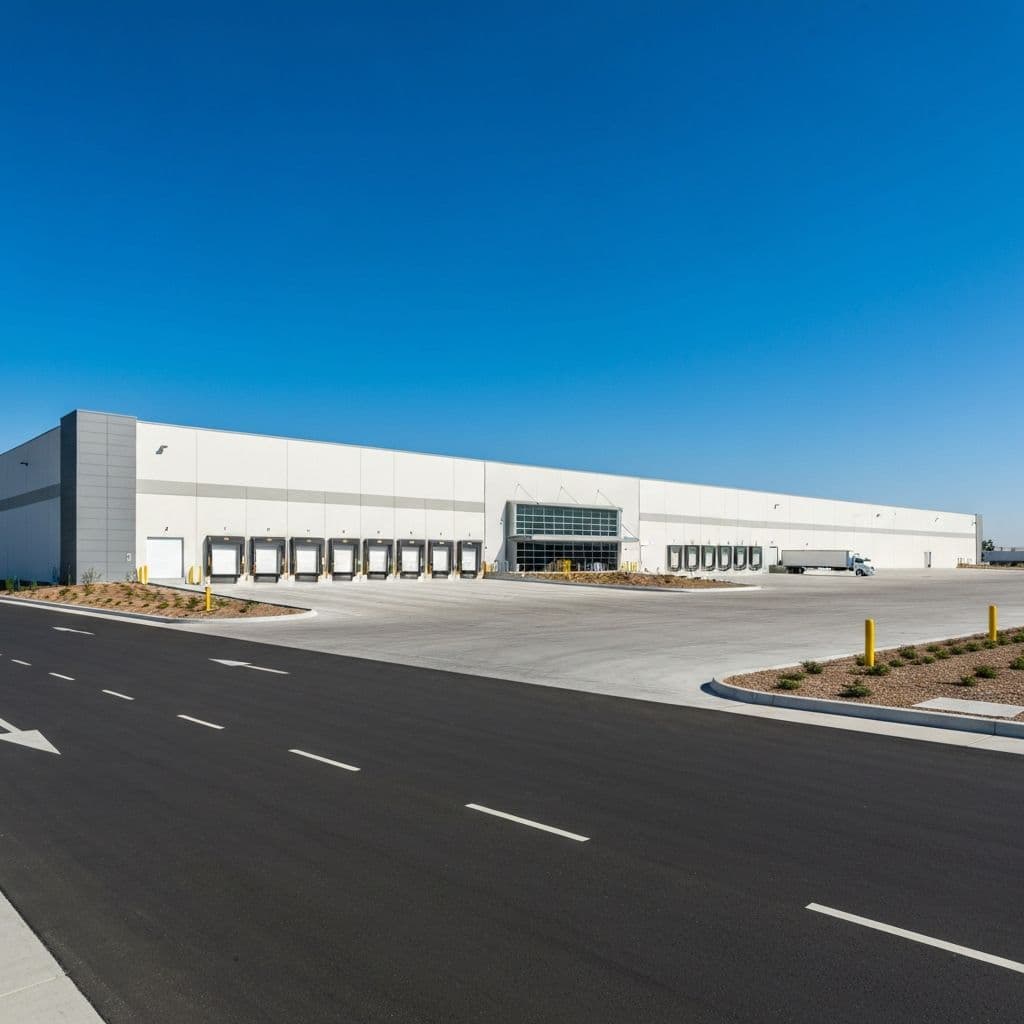
Industrial remains the standout performer. Southern California's ports, freeway infrastructure, and population density continue to make it the most sought-after distribution and logistics market in the country. While mega-box leasing has cooled from its 2021–2022 peak, demand for mid-size infill space — the 20,000 to 100,000 square foot range favored by regional distributors, last-mile operators, and light manufacturers — has held up well, particularly in the Inland Empire and along the Mission Boulevard corridor in Pomona.
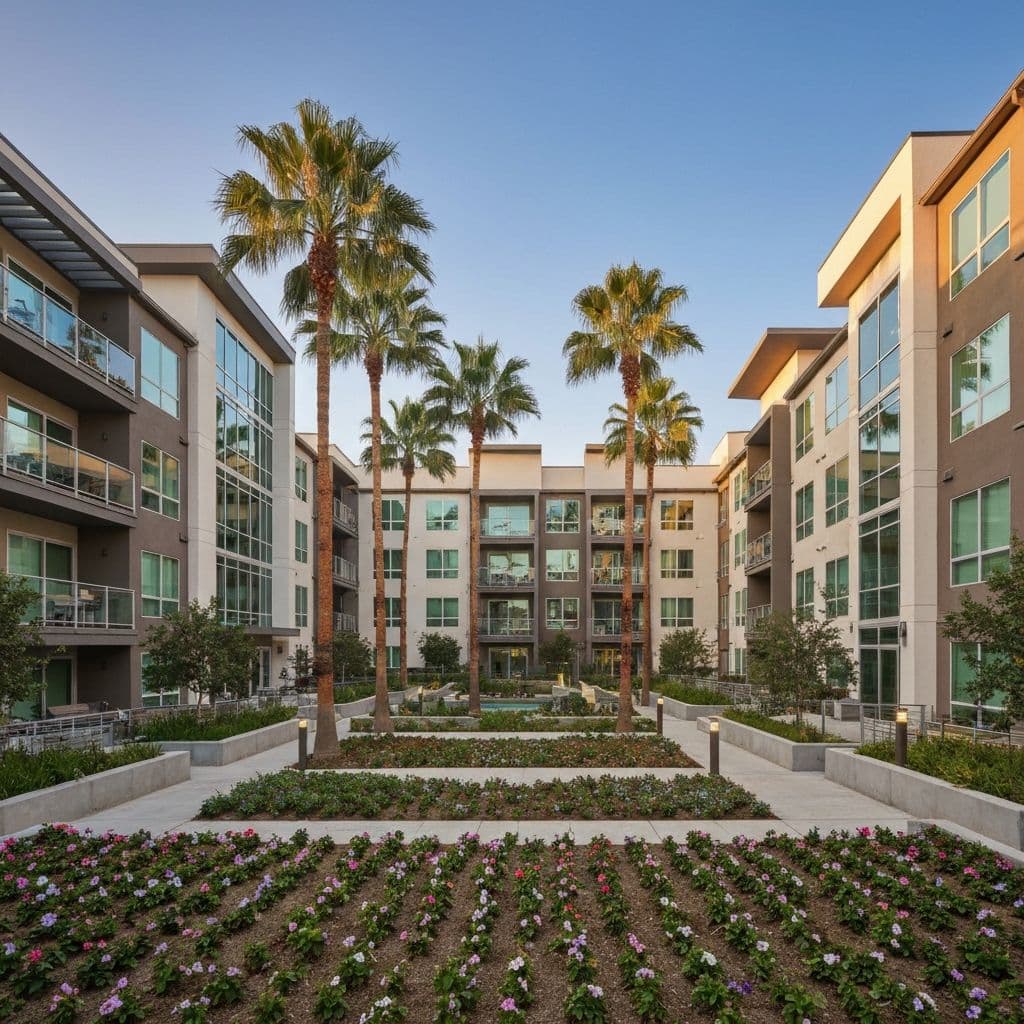
Multifamily is proving more resilient than many expected heading into this cycle. Southern California's chronic housing shortage continues to support occupancy and rent growth in well-located assets, even as new construction financing remains constrained. Investors who can identify value-add opportunities in the San Gabriel Valley and similar submarkets — properties with below-market rents and clear renovation upside — are finding some of the best risk-adjusted returns in the current environment.
Retail has quietly become one of the more interesting stories of the cycle. Years of oversupply correction, combined with limited new construction, have tightened vacancy in well-positioned centers. Experiential and service-based tenants — fitness, medical, food and beverage — are absorbing space that traditional soft-goods retailers vacated, and landlords with flexible, well-located centers are seeing genuine competition for space rather than concessions.
Office remains the most bifurcated asset class. Class A, amenitized buildings in supply-constrained submarkets continue to command strong rents and see real leasing activity, while dated Class B and C product in secondary locations faces a longer repositioning road — often toward medical, creative, or even residential conversion.
For sellers, the throughline across every asset class is the same: pricing has to reflect where debt costs actually sit today, not where they were three years ago. For buyers and 1031 exchange investors, that same repricing is opening a window that hasn't existed in years — particularly for well-capitalized buyers who can move decisively on off-market opportunities before they're broadly marketed.
If you're evaluating a sale, acquisition, or simply want a current read on where your property sits in this market, our team is glad to walk through the numbers with you — no obligation.
Have Questions About Your Property?
Our team is available to discuss your specific situation — no obligation.