Cap Rate Trends: What Sellers Need to Know

Cap rates are ultimately a reflection of two things: the cost of capital and the market's confidence in future income growth. Over the past two years, both have moved, and understanding how they've moved by asset class is essential for anyone timing a sale.
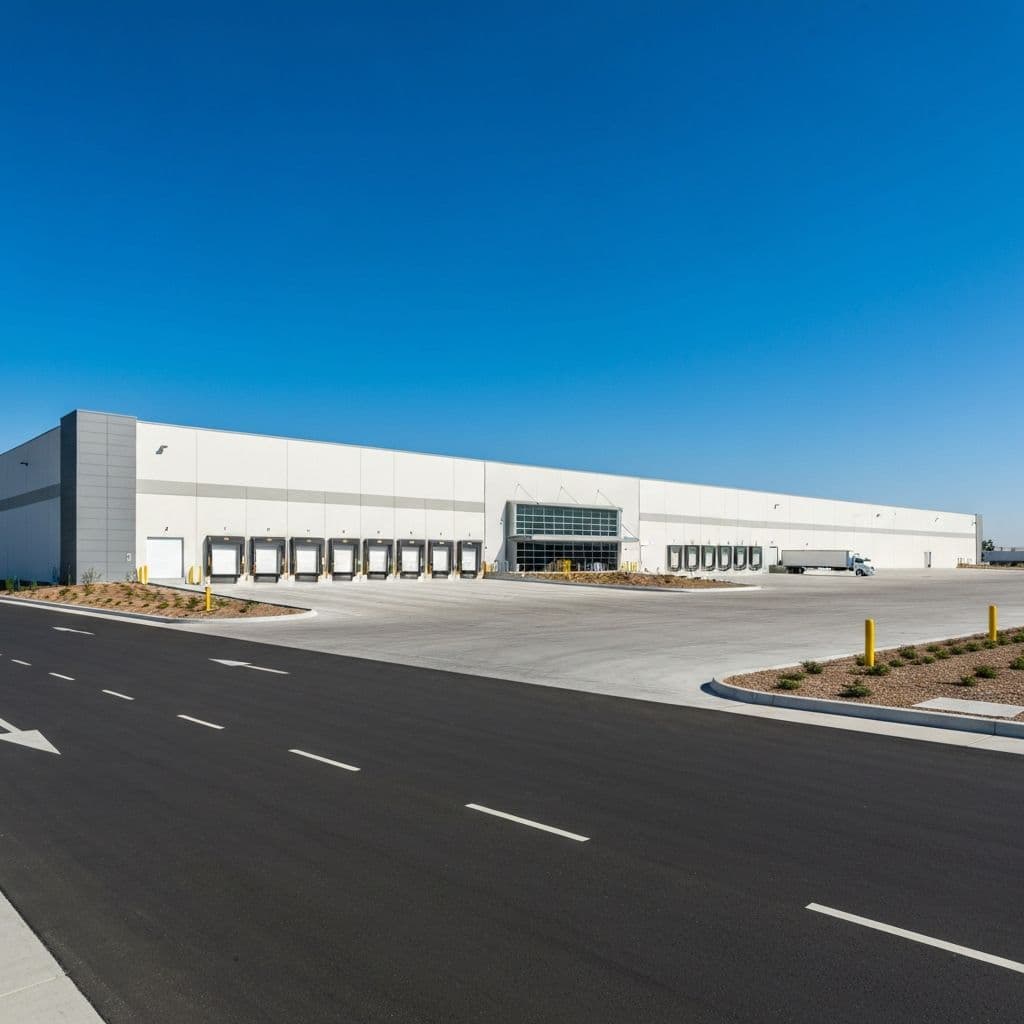
Industrial cap rates expanded the most from their 2021 lows, as debt costs rose faster than rents could adjust. That expansion has now largely run its course for well-leased, stabilized assets in core submarkets — buyers are underwriting with more realistic exit assumptions, which has brought pricing back into a range sellers can work with.
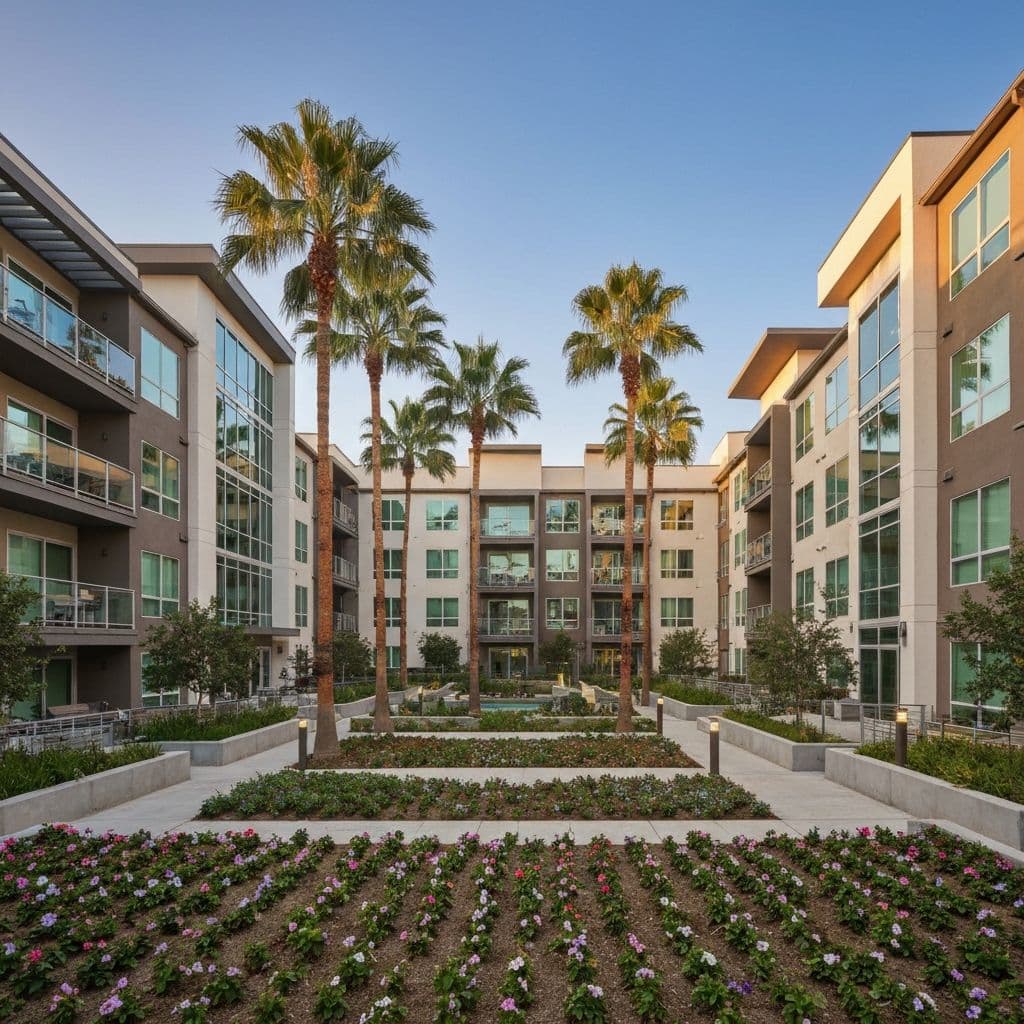
Multifamily has told a similar but more muted story. Because Southern California's housing shortage supports consistent rent growth even in a higher-rate environment, cap rate expansion for well-located apartment assets has been less severe than in markets with looser supply-demand fundamentals.
Retail and office cap rates vary enormously by asset quality right now, more than at any point in recent memory. A well-leased, service-anchored retail center and a half-vacant strip center down the street can trade at cap rates several points apart — the market is pricing tenant quality and lease term far more aggressively than it was pre-pandemic.
The practical takeaway for sellers: the cost of waiting for cap rates to fully return to 2021 levels may exceed the benefit, especially if your property has lease rollover risk or deferred capital needs that will only get more expensive to address. A current broker opinion of value, based on actual comparable closings rather than dated assumptions, is the best starting point for that decision.
Have Questions About Your Property?
Our team is available to discuss your specific situation — no obligation.